Dallas County is home to diverse neighborhoods, growing business districts, established faith communities, and numerous organizations working to improve everyday life for residents. While churches, community groups, and local contractors may serve very different purposes, each contributes to the strength and stability of the region in meaningful ways. Churches often provide spaces where people can gather, find support, volunteer, and participate in charitable activities. Community organizations frequently address local concerns through outreach programs, educational initiatives, food drives, neighborhood events, and assistance for families facing difficult circumstances. At the same time, local contractors help maintain and improve the physical environments where residents live, work, worship, and gather. Together, these groups create a network of social and practical support that can help communities remain connected, functional, and prepared for future growth.
Churches as Community Anchors
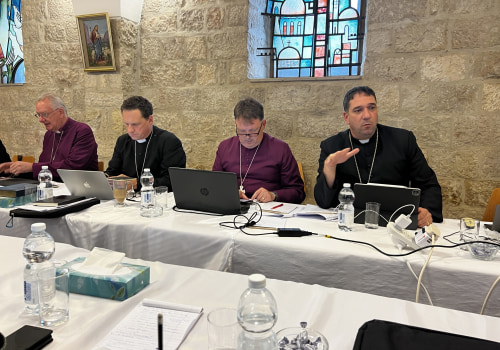
Churches throughout Dallas County often serve roles that extend beyond weekly worship services. Many congregations organize food distribution programs, clothing donations, youth activities, senior support, counseling resources, and volunteer projects. Church buildings may also provide meeting spaces for neighborhood organizations, recovery groups, educational programs, and community events. Because churches are often deeply rooted in the neighborhoods they serve, they can help identify local needs and connect residents with resources. Volunteers may assist families after emergencies, organize fundraising efforts, or support community improvement projects. These activities can strengthen relationships among residents while encouraging people to become more involved in the well-being of their neighborhoods.
The Role of Community Organizations
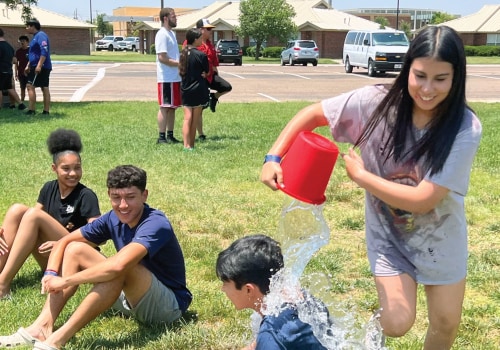
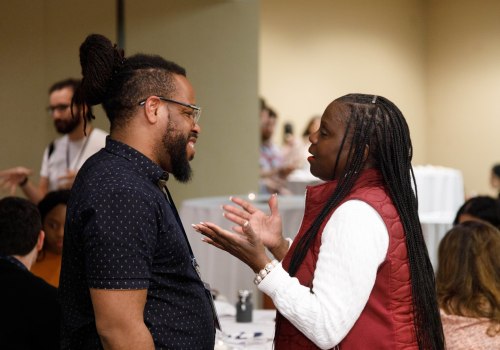
Community groups also contribute significantly to Dallas County by bringing residents together around shared goals. Neighborhood associations may focus on safety, beautification, transportation, development, or local events, while nonprofit organizations may concentrate on issues such as housing, education, hunger, youth development, or support for older adults. These organizations often rely on partnerships with residents, businesses, churches, and local professionals to expand their impact. Volunteer cleanups, school supply drives, public workshops, and neighborhood improvement initiatives are examples of projects that can create visible benefits while encouraging civic participation. By giving residents opportunities to participate directly in local initiatives, community groups can help people feel more connected to the places where they live.
Contractors Supporting Local Infrastructure
Local contractors contribute in another important way by helping maintain the physical spaces that support community life. Roads, sidewalks, parking areas, commercial properties, homes, churches, and community centers all require ongoing construction, repair, and maintenance. Professionals such as electricians, roofers, plumbers, landscapers, builders, and concrete specialists provide services that help properties remain safe and functional. For example, companies such as ConcreteWork HQ Frisco represent the type of local service provider that can assist with projects involving durable surfaces and structural improvements. When contractors work with property owners and organizations, their services can support improvements that make community spaces more accessible, attractive, and practical for everyday use.
Supporting Local Growth Through Collaboration
The strongest communities often develop when different organizations cooperate rather than operate independently. A church planning a community outreach event may work with neighborhood volunteers, local businesses, and contractors to prepare its facilities. A nonprofit improving a community center might depend on donations, volunteers, professional tradespeople, and municipal support. Contractors may also contribute by sponsoring local events, supporting charitable projects, or employing residents from surrounding neighborhoods. These connections create economic and social benefits that extend beyond individual projects.
Creating a Lasting Local Impact
Dallas County continues to grow and evolve, making cooperation between community institutions and local businesses increasingly valuable. Churches provide gathering places and support networks, community groups organize people around common needs, and contractors help maintain the infrastructure that allows neighborhoods to function. Each plays a different role, yet their contributions often overlap in ways that strengthen the region as a whole. Through service, collaboration, investment, and consistent involvement, these groups help create communities where residents have stronger connections, better-maintained spaces, and more opportunities to participate in local life.